Home » GORILLA SAFARIS IN UGANDA: UGANDA GORILLA TREKKING TOURS
GORILLA SAFARIS IN UGANDA: UGANDA GORILLA TREKKING TOURS
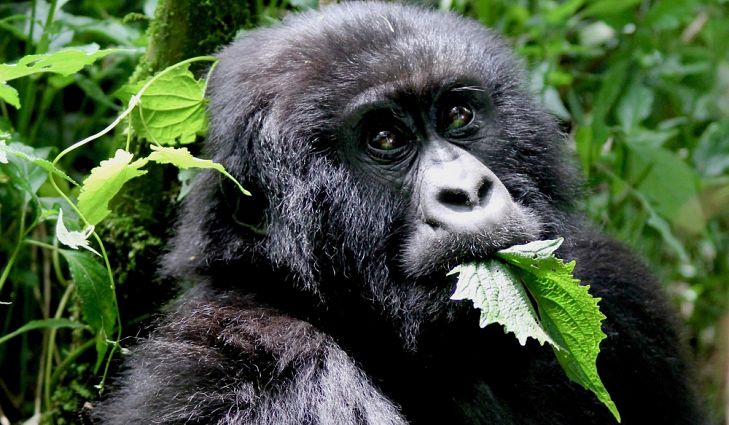
Embark on unforgettable gorilla safaris in Uganda, one of the world’s most thrilling holidays. You will witness endangered mountain gorillas in their natural habitat, up close and in their wild environments. This once-in-a-lifetime experience offers awe, adventure, and lasting memories you’ll cherish forever.
Uganda is ranked among the top destinations for gorilla safaris in Africa. It is a landlocked country located in East Africa, bordered by South Sudan to the north, Kenya to the east, DR Congo to the west, Rwanda to the southwest, and Tanzania to the south.
Gorilla trekking safaris are among Uganda’s best safari experiences, bringing many visitors from all over the world. With unforgettable encounters in the wild, these tours offer a friendly, exciting adventure you’ll remember for years.
Key Highlights of Gorilla Tours in Uganda
- Gorilla trekking in Uganda is exclusively done in Bwindi Impenetrable Forest NP and Mgahinga Gorilla National Park.
- Bwindi Impenetrable is home to over 459 mountain gorillas, almost half of the remaining mountain gorilla population.
- Detailed breakdown of where to see mountain gorillas, the gorilla trekking experience, other additional activities, cost for a gorilla tour, rules and regulations concerning gorilla tracking, when to go gorilla trekking, and more.
Where to Do Gorilla Trekking in Uganda
There are two Ugandan gorilla parks where you can go to experience gorilla trekking. These are the Bwindi Impenetrable Forest National Park and Mgahinga National Park that offer unforgettable, close-up encounters with endangered mountain gorillas.
Whether you’re drawn to lush forests and dramatic sightings or relaxed safari vibes, you’ll find incredible gorilla experiences in these premier destinations.
Bwindi Impenetrable National Park
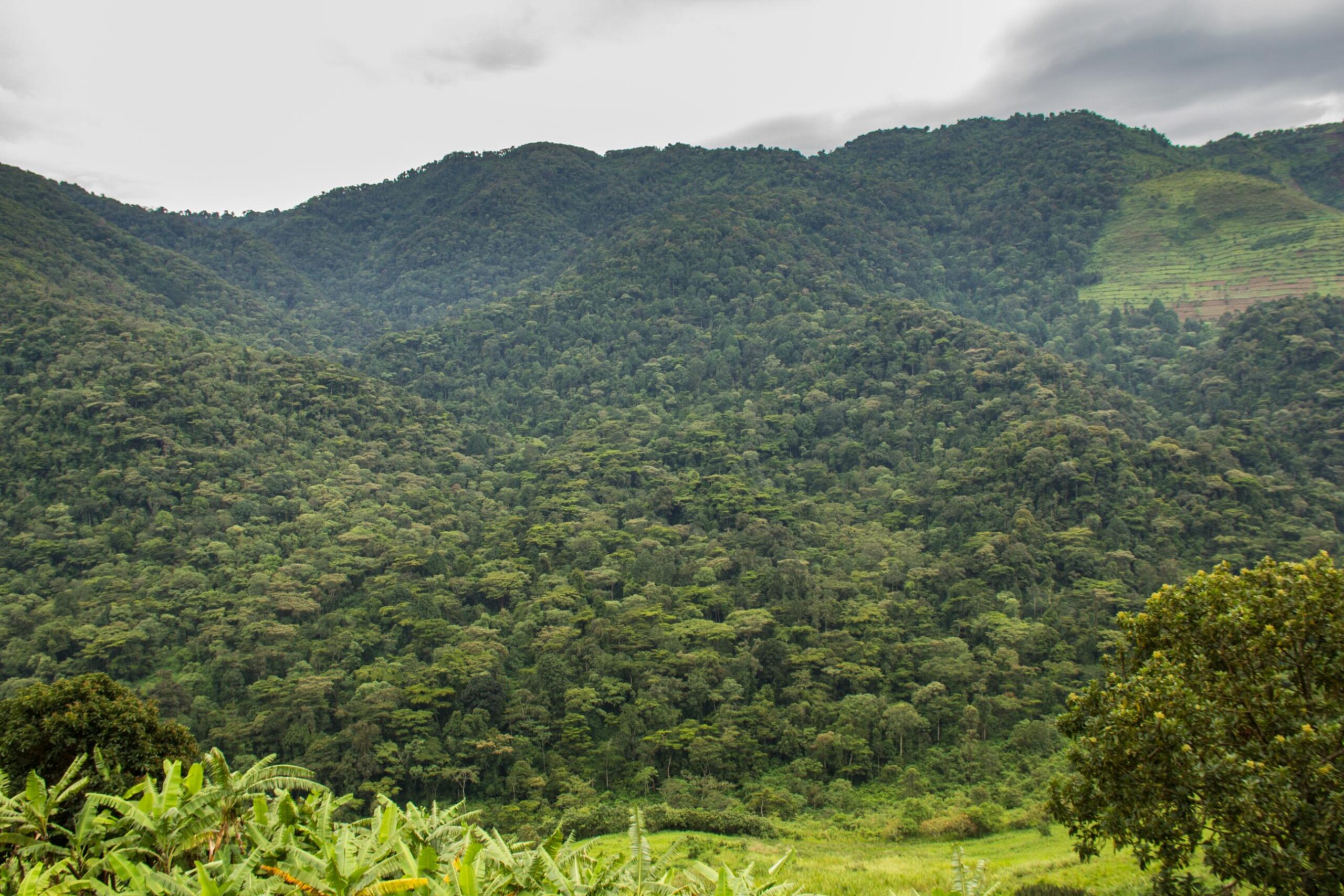
Bwindi Impenetrable National Park is Uganda’s top gorilla destination, known for having the highest number of mountain gorillas, with an estimated population of about 459 individuals.
Due to the high number of habituated gorilla families of about 25, trekkers in Uganda usually have a near 100% chance of seeing their assigned gorilla family. This makes Bwindi the best destination for gorilla safaris.
Bwindi Impenetrable National Park has four gorilla trekking sectors, which are Buhoma, Rushaga, Ruhija, and Nkuringo, each with its own habituated gorilla families.
Bwindi can be accessed either from Entebbe International Airport (about 10 hours by road) or from Kigali. Traveling from Kigali to Bwindi Impenetrable National Park takes about 5-6 hours by road, making it a feasible option for tours.
Mgahinga Gorilla National Park
Mgahinga National Park is Uganda’s second gorilla park, in the southwestern region of Kisoro District.
The park is home to over 30 mountain gorillas, all belonging to one group, the Nyakagezi family.
Besides being home to mountain gorillas, Mgahinga is the only park with golden monkeys where golden monkey trekking is done.
Other Gorilla Trekking Destinations in Africa
Volcanoes National Park
Volcanoes National Park is the only place to see the Rwanda gorillas, as it is home to over 380 mountain gorillas.
This premier safari park, famed for the Rwanda gorilla tour, is part of the Virunga Massif, which extends into Uganda and the Democratic Republic of Congo.
Visitors can track 17 habituated gorilla families in Rwanda’s Volcanoes National Park. It is known for its more developed infrastructure that supports tourism, offering high-standard accommodation.
The drive from Kigali to Volcanoes National Park is about 2-3 hours, making it easily accessible for a gorilla trekking safari.
Virunga National Park
Virunga National Park of the DR Congo is another safari destination situated along the country’s border with Uganda and Rwanda.
This park is home to over 300 mountain gorillas, and it is one of the cheapest gorilla trekking destinations, with permits costing about $400 per person.
Kahuzi Biega National Park
Kahuzi Biega National Park in the DR Congo is another destination where a gorilla tour can be done.
This park is home to the eastern lowland gorillas, and these endangered species are not found elsewhere outside the DR Congo. The eastern lowland gorillas are the largest of all four gorilla subspecies, and a silverback can weigh up to 250 kilograms.
The Gorilla Trekking Experience
Gorilla trekking is one of the most exciting experiences Uganda safari visitors can enjoy since it offers an opportunity to see the endangered mountain gorillas up close.
The whole gorilla trekking experience is physically demanding, so participants are often advised to pack energy-giving snacks to maintain energy and physical fitness during the trek.
In Uganda, a gorilla trek takes place at altitudes exceeding 6,600 feet, making the hike significantly more strenuous than a standard walk. For this case, visitors are often advised to carry walking sticks or hire porters for assistance during the trek.
Though gorilla treks can be challenging, many older adults have been recorded to have successfully completed them.
On the day of the gorilla trek, participants typically leave early in the morning for the park headquarters for a briefing session, after which they follow assigned routes by the guides.
During the briefing, trekkers are grouped into a maximum of 8 people who are assigned to trek a gorilla family per day.
While hiking through the dense forests in search of gorillas, travelers should expect to encounter muddy paths, making proper footwear necessary.
Treks usually take 2 to 6 hours, depending on the location of the gorilla group and the participants’ fitness level. During this gorilla trekking experience, expect to see monkeys and other wildlife species.
Once a gorilla family is located, visitors are allowed to spend 1 hour with the gorillas while observing them playing, grooming, feeding, and interacting in their natural habitat.
Participants are advised against using flash photography during the trek to avoid startling the mountain gorillas, which may provoke aggressive reactions.
Other Interesting Activities to Do Alongside Tracking of Mountain Gorillas in Uganda
There are numerous other activities that you can enjoy after your gorilla trekking holiday in Uganda.
When on a Uganda gorilla tour, tourists can also engage in other activities after or before the gorilla trekking, and these include:
Gorilla Habituation Experience
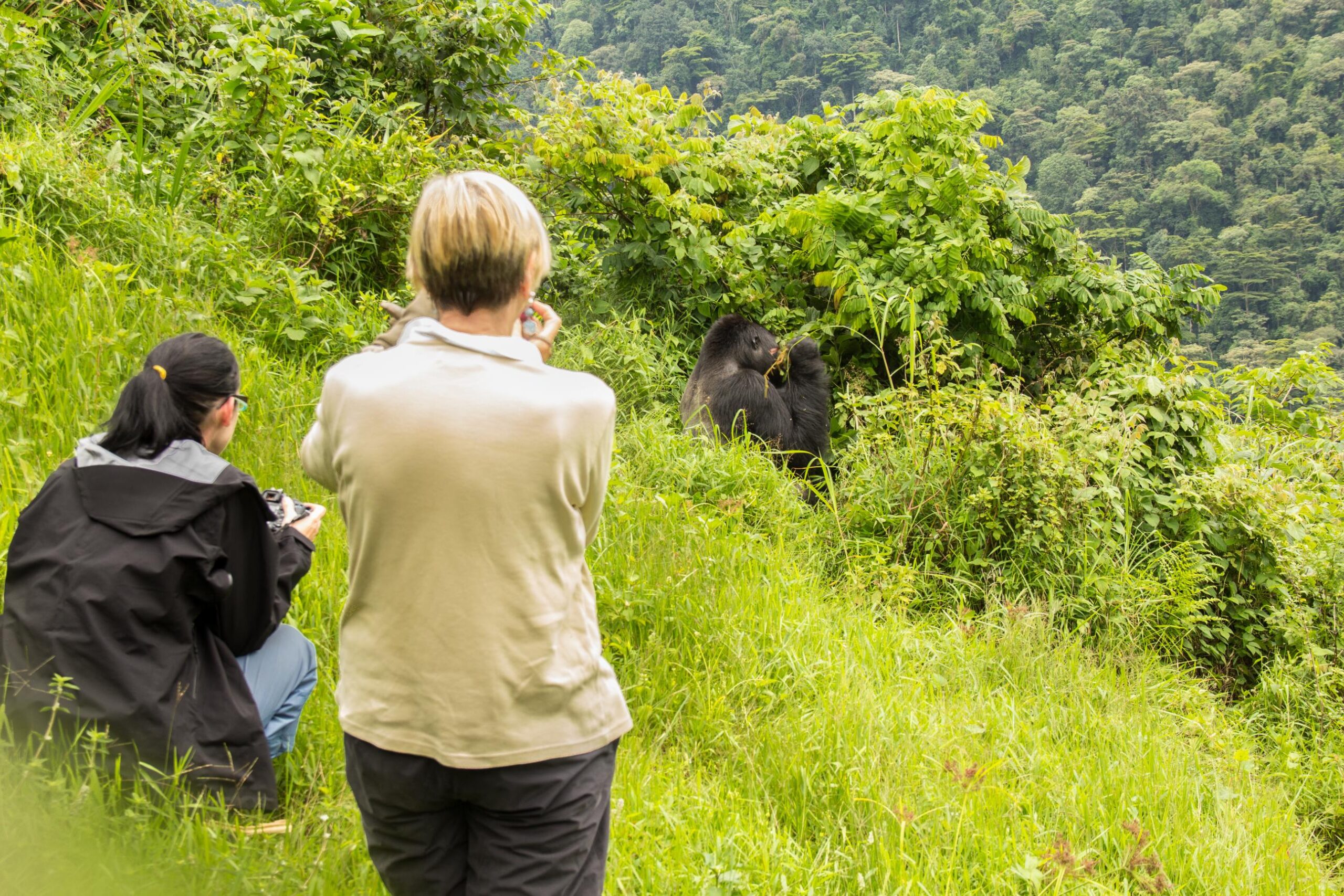
Gorilla habituation is the training of wild gorillas to get used to human presence during gorilla tourism.
Across Africa, gorilla habituation is conducted exclusively in the dense foliage of Uganda’s Bwindi Impenetrable Forest NP. Only 4 visitors are allowed to participate in the gorilla habituation experience at a time.
Gorilla habituation contributes significantly to gorilla tourism and conservation efforts.
The gorilla habituation experience is distinct from regular trekking mainly in duration and visitor numbers. Participants can spend up to 4 hours with a gorilla family, significantly longer than the hour spent during regular trekking.
The habituation process allows participants to observe and photograph gorillas interacting at a gentler pace.
The whole gorilla habituation process can take up to 3 years of training by researchers and park rangers.
The cost of the gorilla habituation experience is $1500 per person per day, which is higher than that of gorilla trekking, which is $800.
Cultural Tours
Travelers can experience cultural activities, such as visiting local villages, after the trek. They normally visit the Batwa community on the outskirts of the park.
The Batwa people, often called the “Keepers of the Forest,” offer visitors a rare glimpse into a traditional hunter-gatherer lifestyle that survived for millennia in the equatorial rainforests of East Africa.
Golden Monkey Tracking
Golden Monkey Tracking is another fascinating activity that you can do in addition to gorilla trekking. It involves trekking through the forest in search of the playful golden monkeys.
This activity is exclusively done in Mgahinga Gorilla National Park. The golden monkeys are highly liked by tourists because of their striking physical beauty, playful and energetic behavior, and their rare, endangered status.
Game Drives
Alongside gorilla trekking, tourists can engage in interesting game drives to spot various animal species in various Uganda national parks.
National parks that you can visit on wildlife safaris for interesting game drives in Uganda include Queen Elizabeth National Park (for tree-climbing lions), Murchison Falls National Park, Kidepo Valley National Park, and Lake Mburo National Park, among others.
Chimpanzee Trekking
Chimpanzee trekking is another amazing safari experience, especially when on primate safaris in Uganda.
It involves trekking through the forest in search of chimps, and this is done in Kibale Forest National Park, Kalinzu Forest Reserve, Budongo Forest, and Kyambura Gorge.
Guided Nature Walks
Guided nature walks offer an intimate, slow-paced exploration of protected ecosystems, allowing visitors to focus on smaller wildlife, unique flora, landscapes, and birds that are often missed during vehicle safaris.
It is done in parks like Murchison Falls NP, Bwindi Impenetrable Forest NP, Lake Mburo National Park, Rwenzori Mountains National Park, and Semuliki National Park, among others.
Rules And Regulations for a Gorilla Trek in Uganda
The following gorilla trekking rules and health protocols are put in place to protect both visitors and mountain gorillas from disease transmission.
These rules apply to Uganda’s Bwindi NP and Mgahinga NP, Rwanda’s Volcanoes National Park, DR Congo’s Virunga NP, and Kahuzi Biega NP in Central Africa.
- The minimum age to engage in a gorilla trek is 15 years old in Uganda, Rwanda, and the DR Congo.
- Any person with a cold, flu, cough, or diarrhea is not allowed to engage in gorilla treks. Gorillas share 98% of human DNA and lack immunity to human diseases.
- Only a group of 8 members can track a particular gorilla family per day.
- Keep a distance of 7 meters from the mountain gorillas, as this distance is considered enough space for gorillas to move freely in their natural environment.
- Visitors must remain with the ranger group at all times; never wander off alone.
- Conversations must be kept in whispers to avoid agitating the gorillas and other forest wildlife.
- All trash, including food wrappers and water bottles, must be carried back out of the park.
- If you need to ease yourself on the trail, the guide will dig a 30 cm hole. It must be buried completely afterward.
- The group must stand close together when viewing the gorillas; do not surround the family.
- When taking photographs, the flash must be turned off completely. Flash can blind or scare the gorillas, triggering an attack.
- Visitors are permitted exactly 60 minutes with the gorillas once they are located.
- Consuming food or beverages within 50 meters of the mountain gorillas is strictly forbidden.
- During gorilla treks, when a gorilla charges or makes a loud sound, do not run. Crouch down slowly and avoid direct eye contact.
- Even if a curious young gorilla approaches you, you must never attempt to touch them.
Cost for Gorilla Tracking in Uganda
A Uganda gorilla permit should ideally be booked 3-6 months in advance due to their limited availability and high demand.
In Uganda, for one to engage in a mountain gorilla trek, the permit price set by the Uganda Wildlife Authority is as follows:
- $800 for non-residents
- $700 for foreign residents
- UGX 350,000 for East African residents
Tour operators in Uganda can charge an extra fee of $60 to $100 to reserve a gorilla trekking permit as part of their services.
The income generated from gorilla permits in Uganda contributes significantly to conservation efforts, with 75% allocated to gorilla conservation.
Cost of Gorilla Permits in Other Countries
The price difference for gorilla permits between Uganda and Rwanda is significant; Uganda’s permits are cheaper than Rwanda’s.
To trek Rwanda gorillas in Volcanoes National Park, a trekking permit costs $1500 for non-residents, $500 for African citizens & foreign residents, and $200 for the East African Community.
To enjoy a Rwanda gorilla tour at a discount, you should visit the country during the low season. During this season, you can purchase Rwanda’s gorilla permit for $1050 per person, provided you meet certain conditions.
To qualify for a discounted gorilla permit to engage in Rwanda gorilla treks in Volcanoes National Park, you must spend a night or take a safari in Nyungwe Forest NP or Akagera National Park.
In the DR Congo, a gorilla trekking permit costs $400 for foreign residents and $20 to $25 for Congolese nationals. During the low season, permits are discounted to $200 to promote gorilla tourism.
What Is the Best Time to See Uganda Gorillas?
In Uganda, mountain gorilla trekking can be conducted year-round, but the rainy months may make accessing the parks more challenging.
The Dry Season
The best time to trek mountain gorillas is during the dry months: June, July, August, September, and December.
This is considered the best time to go gorilla trekking because of drier trekking trails and lower malaria risks due to fewer stagnant pools, which leads to a drop in mosquito population and dry roads leading to the park.
The Wet Season
Some travelers go gorilla trekking during the wet season (March to May and October to November) to enjoy opportunities like discounted gorilla permits, fewer crowds, and discounts on accommodation facilities.
What to Pack for Gorilla Tracking in Uganda
Before you go gorilla trekking, you must be prepared to ensure a more enjoyable and comfortable experience, so it is critical to know what you should pack for a successful tour.
Trousers And Long-Sleeved Shirts: These are recommended for a gorilla trek to protect against equatorial sun, scratches from thorny vegetation, stinging nettles, and biting insects.
Light Rain Jacket: Rain in the forests of Bwindi is unpredictable, so a rain jacket should be packed to keep you dry.
Sturdy Hiking Boots: Good hiking boots are required to be able to trek the hilly terrain, which may have mud, with ease.
Long Socks: These should be worn to tuck into trousers to prevent tick bites during the trek.
Garden Gloves: To trek mountain gorillas with ease, these garden gloves will help you grip tree branches.
Sunglasses and hats: These are recommended for sun protection during the trek.
Insect Repellents: Necessary for warding off bugs in the forest environment during a gorilla trek.
Energy Snacks: Travelers should include energy-giving foods in their pack to stay fueled during the trek.
Camera and Extra Battery: Photographers are advised to use cameras without flash to avoid startling the gorillas.
Binoculars: These are used to spot other wildlife species, like birds, from a distance.
Tourist Daypack: Used for carrying personal essentials like snacks, drinking water, and extra clothes, among others.
First Aid Kit: The kit should have pain relievers, antihistamines, motion sickness pills, rehydration salts, and antiseptic wipes, among others.
Travel Documents: These include a visa, preferably an East African tourist visa, especially when on a safari in Uganda and Rwanda, and a yellow fever vaccination card, among others.
Where to Stay When on Gorilla Trekking Safaris in Uganda?
Accommodations in Bwindi Forest National Park
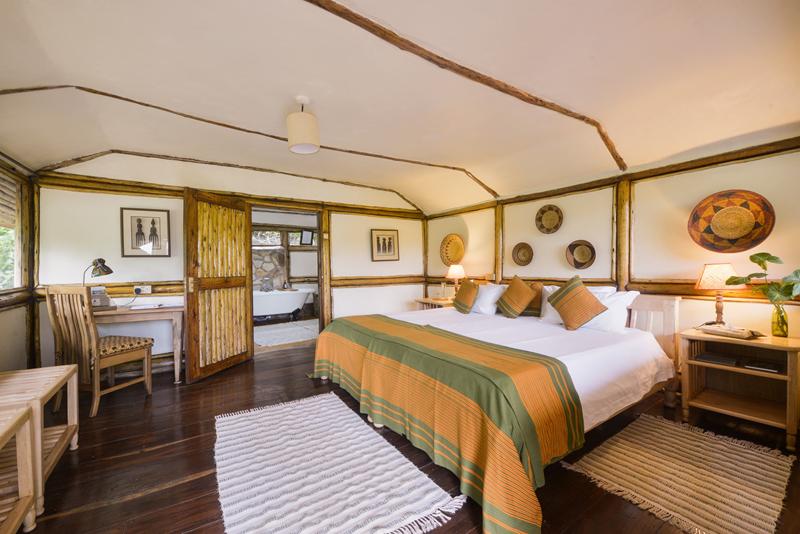
There are various facilities where travelers on Bwindi gorilla safaris can stay. These include
- Buhoma Lodge in Buhoma Sector
- Four Gorillas Lodge in the Rushaga Sector
- Clouds Mountain Gorilla Lodge in Nkuringo Sector
- Kiho Gorilla Safari Lodge in Ruhija Sector
Accommodation in Mgahinga Gorilla National Park
Most of the accommodation options in Mgahinga Gorilla NP are concentrated near the Ntebeko main entrance gate, and these include
- Mount Gahinga Lodge
- Mutanda Lake Resort
- Travellers Rest Hotel
- Amajambere Iwacu Community Camp, among others
How to Get to Bwindi NP and Mgahinga NP for a Gorilla Trekking Safari?
Getting to Bwindi Impenetrable Forest National Park
When on gorilla safaris, Bwindi can be accessed either by road or air from Entebbe International Airport, Uganda’s gateway.
By Air, Using a Domestic Scheduled Flight
Flying to Bwindi National Park is the most comfortable way, saving you from a full-day drive.
You can use a local carrier like Aerolink Uganda to fly to Kisoro Airstrip, which is best for the southern sectors (Rushaga and Nkuringo), or to Kihihi Airstrip, which is best for the northern and eastern sectors (Buhoma and Ruhija).
Traveling by Road
You can take a drive either using a private 4×4 road safari or public buses. Driving takes 8 to 10 hours, covering roughly 460 to 500 kilometers.
You will drive west from Entebbe/Kampala via the Masaka-Mbarara highway, passing through Kabale or Kisoro before hitting the rough dirt roads leading into the forest.
Getting to Mgahinga National Park
Mgahinga NP can also be accessed by road or air.
By Air
You will fly from Entebbe Airport to Kisoro Airstrip using local carriers like Aerolink. From Kisoro Airstrip, you must have a prearranged safari vehicle to the park headquarters in
By Road
Driving takes 9 to 10 hours across roughly 490 kilometers of highway and winding mountain roads.
You will drive west via the Entebbe Expressway, through Masaka, Mbarara, and Kabale, eventually reaching Kisoro Town before climbing to the park.
Top Tour Operators in Organizing Interesting Uganda Gorilla Trekking Tour
These are some of the tour operators that have received positive customer reviews highlighting their reliability and professionalism in organizing captivating Uganda gorilla safaris.
All these tour companies encourage booking gorilla permits well in advance due to their limited availability and high demand.
- Prime Safaris And Tours Ltd.
- Wild Gorilla Safaris
- Safari Uganda Safaris
- Gorilla Safaris And Tours
- A Uganda Safari
- Africa Safari Tours
- Uganda Birding Safaris
- Gorilla Trekking Uganda
Gorilla Trekking Packages in Uganda
- 3-days Uganda gorilla trekking tours from Kigali to Bwindi & cultures
- 4 days of gorilla trekking in Bwindi, cultures & wildlife, and tree climbing lions in Queen Elizabeth National Park safaris
- 4-days Uganda gorilla safari Bwindi | 4 days gorilla trekking tour
- 5 Days in Uganda Safari Vacation: Gorilla Trekking in Bwindi, Chimpanzee Tracking & Wildlife Tours in Queen Elizabeth National Park
- 6 Days Uganda tour—gorilla trekking, chimpanzee tracking, and wildlife viewing for 6 days Uganda tour
- 7 Days Bwindi Gorilla Uganda and Serengeti National Park wildlife safari
- 8 Days Uganda Safari, Gorilla Trekking, Chimpanzees & Wildlife Viewing in Uganda
- 8 Days Safari in Uganda: Gorilla Trekking, Chimpanzee Tracking, Wildlife & Community Tour
Uganda Gorilla Trekking Tours FAQs (Frequently Asked Questions)
How Much Does It Cost to See Gorillas in Uganda? / How Much Does It Cost to Trek Gorillas in Uganda? /How Much Does It Cost to Do Gorilla Trekking in Uganda?
To see gorillas in Uganda, trekking permits cost $800 for foreign non-residents, $700 for foreign residents, and UGX 350,000 for East African citizens. However, the average cost of a gorilla trip, including accommodation, is between $1200 and $3500+ per person.
How Difficult Is Gorilla Trekking in Uganda?
Gorilla tracking in Uganda is moderately to highly demanding and involves hiking through dense, trackless jungles, steep slopes, and high altitudes (2,500 m to 3,000 m). The trek takes between 2 and 6 hours.
Which Month Is Best for Gorilla Trekking in Uganda?
The best months for a gorilla trek are June to September and December to February. During these months, hiking trails are drier, and game viewing is effortless. Some travelers travel during the wet months, March to May and October to November, to enjoy discounted rates on accommodation and gorilla permits.
Is It Safe to Trek Gorillas in Uganda? / How Safe Is Gorilla Trekking in Uganda?
Gorilla trekking is safe, and there is nothing much to worry about, given the presence of park rangers who will escort you into the jungle to give you protection from any attack by wild animals or gorillas themselves.
Are You Guaranteed to See Gorillas in Uganda?
Uganda’s gorillas make up half of the world’s mountain gorillas, including 459 individuals in Bwindi Impenetrable Forest NP and 30 in Mgahinga NP, so visitors enjoy a 99% gorilla sighting success rate.
Where Can I Watch Gorillas in Uganda?
You can observe mountain gorillas in two protected areas in Uganda: Bwindi Forest Impenetrable National Park and Mgahinga National Park.
Other destinations in Africa for gorilla tours include Volcanoes National Park of Rwanda and Virunga National Park of the Democratic Republic of the Congo in central Africa.
Is Rwanda or Uganda Better for Gorilla Trekking? / Is It Better to See Gorillas in Rwanda or Uganda? / Is Gorilla Trekking Better in Rwanda or Uganda?
Both Uganda and Rwanda offer fascinating gorilla trekking adventures, but the choice of which country is better depends on individual preferences.
Rwanda is preferred for having shorter treks to locate the mountain gorillas, though the cost of trekking permits may be high at $1500.
Uganda is also preferred for offering budget-friendly treks with permits costing $800. There are also various additional activities, such as cultural tours, that travelers can do after gorilla tracking.
How Many Days Do You Need for Gorilla Trekking in Uganda?
For a standard gorilla trekking experience, you will need a minimum of 3 to 4 days. This will allow you to travel from Kampala/Entebbe to Bwindi National Park or Mgahinga NP on the first day, do the trek on the second day, and travel back on the third day.
Book your gorilla safaris in Uganda to see the endangered great apes in their natural environment.
